Best Mini Split
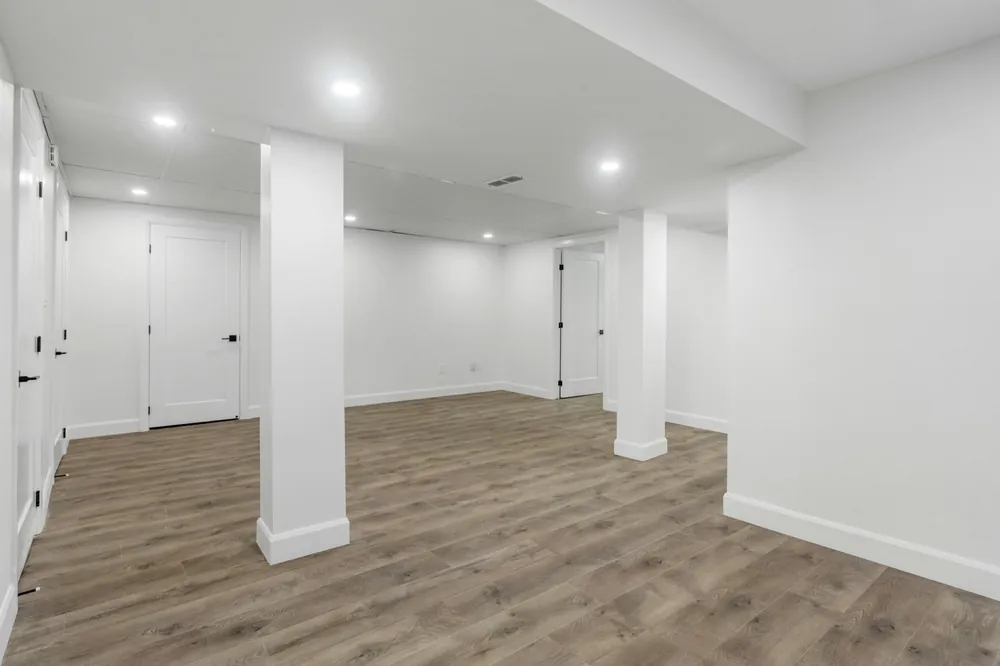
Best Mini Split for Your Basement
The best mini split for basement spaces in the 400–800 square foot range is a 9,000–18,000 BTU inverter-driven wall-mounted heat pump with strong dehumidification and a solid cold-climate rating. Most mini splits range from 9,000 to 24,000 BTU, and the right capacity depends on your specific basement, not a brand name.
Basements are driven by moisture, so the best basement mini split is one that gives you excellent humidity control and the right BTU sizing. An oversized unit will short cycle and leave you with a cold, damp room instead of a comfortable one. Mini split systems give you both heating and cooling in one system and get rid of the need for bulky ductwork, which is a big advantage in a space where adding ducts is often hard or impossible. So how do inverter-driven ductless systems help with efficient temperature and humidity control? They can change their output instead of turning on and off hard.
Section 02
How We Chose the Best Basement Mini Splits
These choices are built for what basements need, not at generic "best mini split" lists. Here are the criteria that matter most underground:
-
Moisture and dehumidification performance. With a dedicated dry mode, low minimum fan speeds and strong latent capacity (about 2.5–3.8 pints per hour on 9k–18k units) for damp basements, you get the moisture control you need. Mini splits have built-in dehumidifying capabilities that help maintain indoor air quality.
-
Cold-climate heating. Capacity stays stable near 5–17 °F, with COP ≥ 1.75 at 5 °F - the threshold for ENERGY STAR Cold Climate certification. Low-ambient heating capabilities should be checked before you buy.
-
Noise levels. Indoor units that are rated 19–25 dB at low speed work well for media rooms and bedrooms.
-
Real-world capacity tiers. Strong performance across 9k, 12k, 18k and 24k BTU levels that cover 300–1,000 sq ft basement ranges.
-
Energy efficiency. SEER2 and HSPF2 above current DOE minimums (about SEER2 13.4 / HSPF2 7.5 for splits under 65k BTU). Energy efficiency ratings such as SEER and HSPF directly affect operating cost. Ductless mini splits reduce energy loss from leaky ducts, making them up to 40% more efficient than conventional systems.
-
Reliability and support. Warranty length, US parts availability and installer familiarity.
-
Installation flexibility. Wall, ceiling cassette and slim-duct options. Support for a condensate pump, since most basement installs need one for drainage.
Section 03
7 Best Basement Mini Splits for 2026
1. Best Overall Basement Mini Split - 12,000–18,000 BTU Cold-Climate Wall-Mount Heat Pump
With a high-efficiency single zone wall-mounted mini split system in the 12k–18k BTU tier, you get strong capacity down to about 5 °F. This is the main choice for most finished basements.
Why it stands out: It gives you excellent dehumidification, quiet operation (often under 24 dB at low speed), and reliable low-temperature heating. The capacity matches typical 400–800 sq ft basements when you size them with a manual j load calculation rather than using square footage rules alone.
Best for: Single, open-plan finished basement rec rooms, home offices or guest spaces in climate zones 4–6 where you need dependable heating without baseboard backup most of the winter.
Key strengths: High latent capacity for moisture control in the 30–50% RH range. Very low indoor sound levels. There are smart controls for spaces that aren't occupied daily. Low-ambient heating performance is checked for winter use.
Possible limitations: Professional installation is needed. The upfront cost is higher than entry-level models, though operating costs are lower over time.
2. Best Budget Mini Split for Small Basements - 9,000 BTU Single-Zone Heat Pump
A cost-effective 9k BTU inverter mini split still gives you solid humidity control for smaller basements or partial finishes.
Why it stands out: The upfront equipment cost is lower (often $700–$900) with decent SEER2 and quiet operation. A 9k BTU unit often fits perfectly once you run a load calculation, rather than making the unit too big at 12k by default.
Best for: Smaller basement offices, hobby rooms or gyms (250–450 sq ft) in climate zones 2–4 with small winter heating needs. You might mainly need summer dehumidification and spot heating.
Key strengths: It's affordable and often runs on 115/120V - good for limited panel capacity. The compact wall unit fits tight basements with limited wall space. Energy efficient cooling for well-insulated spaces.
Possible limitations: It may be too small for 700+ sq ft basements or poorly insulated, damp spaces. Cold-climate performance may not be enough as sole heat in zones 5–7.
3. Best Mini Split for Basement Apartments - Multi-Zone System with 2–3 Indoor Heads
A multi zone outdoor compressor (24k–30k BTU) paired with two or three indoor air handler units - wall mounts, cassettes or a mix - serves a bedroom, living room and kitchenette.
Why it stands out: Separate temperature control for sleeping versus living areas improves comfort for basement tenants. It's useful where one wall head can't distribute air around corners and closed doors.
Best for: Fully finished basement apartments with distinct rooms that need independent control. You might want to separately account for basement energy use.
Key strengths: Flexible indoor unit styles to match low ceilings and aesthetics. There's good combined capacity for both heating and cooling in mixed or cold climates. Can expand to a small first-floor zone if planned correctly.
Possible limitations: Complex design. Improper sizing or refrigerant line runs hurt performance. Higher upfront cost. Mini split systems should have a proper condensate drainage setup in basements, and multi-zone layouts add more condensate routing work.
4. Best DIY-Friendly Mini Split for Basements - Pre-Charged Line Set Kit
A widely available DIY ductless mini split with pre-charged line sets and quick-connect fittings designed for homeowner install under permit where allowed.
Why it stands out: Homeowner-installable features, clear manuals and strong retailer support. Available in 9k–24k BTU sizes covering many basement square footage ranges. Mini splits are easier to install than traditional HVAC systems, and DIY kits push that advantage further.
Best for: Skilled DIYers comfortable with drilling, mounting and wiring who want to save on labor for a single open room or workshop.
Key strengths: Potential labor cost savings. Reasonable efficiency and Wi-Fi controls at mid-market pricing. Multiple line-set length options for reaching outdoor compressor locations.
Possible limitations: Risk of code violations or voided warranties if not installed to manufacturer and local code requirements - some jurisdictions require licensed HVAC work. Dehumidification and cold-weather performance often slightly behind top-tier pro models. Installation should follow local codes for electrical and drainage.
5. Best Mini Split for Very Damp Basements - High-Latent-Capacity System with Robust Dry Mode
A system known for especially strong dehumidification and advanced dry mode fan and coil control.
Why it stands out: Its control logic can prioritize moisture removal, keeping the coil cold and airflows low to pull more water from the air. With a dedicated dry mode or high moisture-removal capacity, you get help in controlling basement humidity, and a mini split's dry mode helps reduce humidity effectively. Basements are prone to higher humidity and need moisture control - this is the pick when that's the main problem.
Best for: Basements in humid regions (Gulf Coast, Mid-Atlantic, Midwest river valleys). On our calculator, humidity is why Houston beats Phoenix for the same 400 sq ft room: Phoenix's design day is hotter (108 °F vs. 96 °F), but Houston's moisture load is almost four times larger (about 1,940 vs. 500 BTU/h). It's also good for basements with laundry areas or older foundations adding heavy moisture.
Key strengths: Excellent humidity control, helping maintain levels between 30% and 50% without overcooling the space. Multiple fan and mode settings are set up for shoulder seasons when temperature is mild but humidity is hot and damp. Strong filtration options to help with mold and allergen concerns.
Possible limitations: May be too much for dry western basements. Premium pricing and sometimes limited distribution.
6. Best Low-Profile Mini Split for Low-Ceiling Basements - Ceiling Cassette or Slim-Duct System
A mini split using a compact ceiling cassette or a short-ducted indoor air handler hidden in a soffit keeps equipment out of sight.
Why it stands out: Many basements have limited wall space (egress windows, shelving, exposed foundation) and low ceilings around 7 feet, so a wall head feels like it's in the way. Even air distribution works well in long, narrow layouts.
Best for: Media rooms and finished basements where you want little visible equipment. Basements with finished ceilings where a bulky wall unit would take over the room.
Key strengths: Discreet appearance with grilles that blend into drywall or drop ceilings. Can serve two adjacent areas with short duct runs. Compatible with a condensate pump that sits in ceiling cavities.
Possible limitations: More carpentry during install. Service access must be planned to avoid cutting into finished ceilings later.
7. Best High-Efficiency Mini Split for Energy-Conscious Owners - Premium SEER2/HSPF2 Basement System
A top-tier cooling system with SEER2 in the mid-20s to low 30s and strong HSPF2 is built for homeowners who want long-term energy savings.
Why it stands out: Even though basements are partially sheltered by earth, they still add load to your house. High energy efficiency reduces lifetime operating cost, especially where electricity is expensive. These systems usually integrate with smart apps to manage setbacks when the basement is unoccupied.
Best for: Homeowners in high-electricity-cost states or those targeting above-code efficiency. Basements that see daily use year-round as primary living space.
Key strengths: Excellent part-load efficiency from advanced inverter control. Often qualifies for utility rebates and federal tax credits. Long warranties that show manufacturer confidence.
Possible limitations: Higher equipment cost. Payback depends on usage hours and local kWh rates. You may need a more experienced installer for commissioning.
Comparison
Quick Comparison of the Best Basement Mini Splits
Here's who each option is best for at a glance:
-
Best Overall (12k–18k cold-climate wall-mount) - Most finished basements that need year-round comfort and humidity control.
-
Budget 9k BTU Single-Zone - Small, well-insulated basements in milder climates.
-
Multi-Zone with 2–3 Heads - Full basement apartments that have separate rooms.
-
DIY-Friendly Pre-Charged Kit - If you're a skilled DIYer tackling a single open basement space.
-
High-Latent-Capacity System - Very damp basements that are in humid regions.
-
Ceiling Cassette / Slim-Duct - Low-ceiling basements where wall units are in the way.
-
Premium High-Efficiency - Heavy-use basements where long-term energy savings matter most.
How To
How to Choose a Basement Mini Split
Choose the Right BTU Sizing (Use Load, Not Just Square Footage)
Basements usually need 20 to 25 BTU per square foot for cooling, but that rule is only a starting point. When you are choosing a mini split system for a basement, BTU capacity is critical - and earth contact, insulation levels and moisture loads move the number up or down. So how much careful sizing do basements need? It's between 20 to 30 BTUs per square foot depending on conditions.
With a Manual J-style calculation, you look at square footage, ceiling height, insulation values (the 2018 IRC's model climate zone 5 table calls for R-15/19 basement walls, R-10 slab insulation 2 ft deep, U-0.30 windows, R-49 ceilings and R-20 or R-13+5 wood-frame walls), window area, infiltration and internal gains.
Our calculator adds 6 BTU/h per square foot for lights and plug loads in cooling. In Pro mode you can add always-on appliances - a basement fridge or dehumidifier - at 125, 300 or 750 BTU/h each, weighted by 1.5. After you add every term, the calculator multiplies the total by 1.12, which is a 12% allowance for unknowns a homeowner can't measure. For ductless basement systems, set the duct-loss term to "inside conditioned space" (3–8%) rather than the vented-attic default (12–25%), so capacity isn't pumped up for no reason.
A correctly sized mini split improves humidity control. Oversized units can cause short cycling in basements, cooling the air temperature fast but never running long enough to pull moisture from the air. You can size mini splits at 20 to 25 BTU per square foot as a starting range, then let the load calculation fine-tune it.
Choose Based on Moisture and Humidity Load
Many basements are moisture-dominated. A correctly sized or slightly undersized inverter mini split that runs steadily will control humidity better than an oversized unit that leads to poor humidity control. Basements should maintain humidity between 30% and 50% to prevent mold, musty smells and damage to finishes.
Assess your space: visible damp spots, past mold issues, the presence of laundry or showers, and whether the foundation walls are sealed. If moisture sources are heavy, prioritize models with strong dry mode, low minimum output (so the compressor runs long and low), and compatibility with a separate dehumidifier when conditions are extreme. Short cycling from oversizing is the enemy of indoor air quality in any basement.
Choose Based on Layout, Ceiling Height and Noise
Open-plan basements often work fine with one wall head. Multi-room layouts - a bedroom connected to a living area, for example - may need multiple heads or a slim-duct unit feeding small grilles through a soffit.
Low ceilings benefit from compact cassettes or discreet slim-duct systems that rest above the ceiling plane. Standard-height basements can usually accommodate wall heads above doors or windows without crowding.
For a theater room or bedroom, you need quiet indoor units - look for 19–25 dB at low speed. Also plan outdoor compressor placement away from windows and patios to keep the rest of the house quiet.
Choose Based on Climate, Heating Needs and Electrical Panel Capacity
For colder regions, choose models that maintain capacity at 17 °F and still provide usable heat near 5 °F. Mini split systems should have low-ambient heating performance for winter use. When backup heat (baseboard, existing furnace) already covers the worst nights, a standard-range unit may suffice - but in zones 5–7, a cold-climate rated system is the safer plan.
In warmer, humid regions, cooling and dehumidification are what matter most. SEER2 and latent capacity matter more than extreme-cold ratings. Air conditioning efficiency is where you'll see the biggest payoff.
Mini splits need a dedicated electrical line for installation. Units in the 9k–12k range often work on a 15–20A, 120V breaker. Larger 18k–24k units usually need 208/230V and a dedicated circuit. Check your panel capacity early - it can determine which size and model are realistic before you start shopping for portable alternatives or air conditioners.
Section 06
Which Mini Split Is Best for Your Basement?
There is no single winner. The right choice depends on how much extra square footage you have, the layout, the climate and how damp the basement is. Here's a quick decision map:
-
Choose the 12k–18k cold-climate wall-mount if you have a typical finished basement that is 400–800 sq ft and you want one all-around best choice.
-
Choose the 9k BTU budget single-zone if you're conditioning a small, well-insulated office or gym and you mainly care about summer humidity control at lower cost.
-
Choose the multi-zone system if your basement is a full apartment with separate bedroom and living spaces that need independent control.
-
Choose the DIY-friendly kit if you're an experienced DIYer, local code lets you and you want to save on labor for a single open room.
-
Choose the high-latent-capacity model if your basement is in a very humid region or has a history of dampness and mold.
-
Choose the ceiling cassette or slim-duct system if wall space and headroom are tight and you care about a clean look.
-
Choose the premium high-efficiency system if the basement is used daily and electricity is expensive.
If you're unsure about capacity, run a Manual J-based load with our calculator or hire a pro for a full room-by-room analysis - especially for multi-zone designs.
Bottom Line
Final Thoughts
Basements have unique insulation and moisture characteristics, so square foot rules of thumb are only a starting point. With a Manual J-based calculator - or a professional load calculation - plus a moisture and ventilation check, you can narrow the field to a few truly best mini splits for your specific basement.
Proper installation quality is crucial for mini splits to perform well in basements. That means correct refrigerant line sizing, a condensate pump where drainage doesn't flow by gravity (which is most basements), and electrical work that meets local code. Get those right, and a well-chosen basement mini split will turn an underused space into comfortable, usable square footage year-round.